Protecting Hair from Heat Damage
The traditional approach to drying hair relied on brute force: excessively high temperatures baking the moisture out of the cortex. Modern engineering has shifted the paradigm from heat reliance to aerodynamic efficiency.
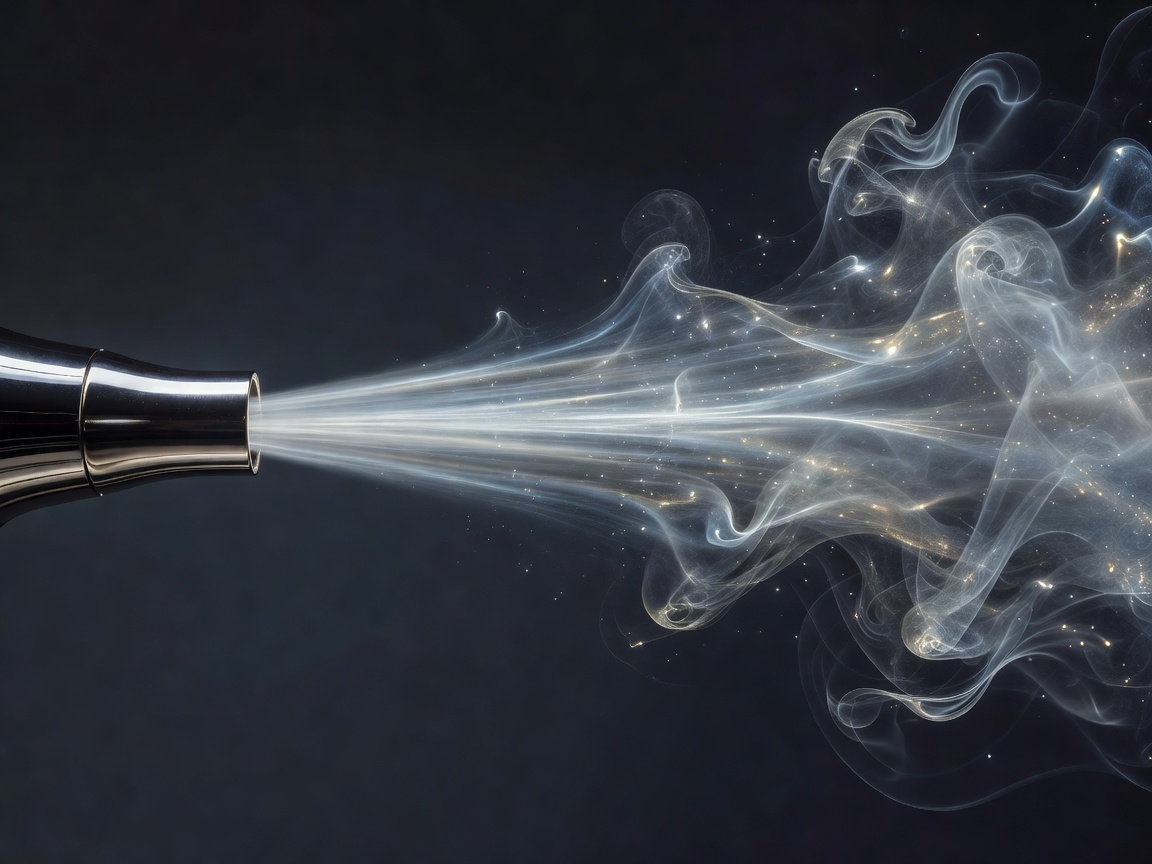
The Physics of Drying
Drying hair rapidly without causing flash-boiling (where water inside the hair shaft boils and ruptures the cuticle, known as 'bubble hair') requires a high velocity of airflow rather than extreme heat. The equation for a perfect blowout is 70% wind pressure and 30% thermal output.
Brushless Digital Motors
Operating without friction-inducing carbon brushes, digital motors spin at speeds exceeding 100,000 RPM. This creates a concentrated jet of air that shears water molecules off the hair surface mechanically.
Smart Thermal Control
Elite airflow systems utilize glass bead thermistors capable of measuring air temperature 40 times per second. This data is fed to a microprocessor that regulates the heating element, ensuring the air never surpasses the 302°F threshold.
Ionic Architecture Explained
Wet hair carries a positive electrical charge, causing the cuticle scales to stand open and appear frizzy. Professional dryers incorporate internal negative ion generators—often built from crushed tourmaline or engineered electronic emitters.
These generators flood the airflow with millions of negative ions per cubic centimeter. The negative ions bond with the positively charged water molecules, breaking them down into micro-particles that are more easily absorbed into the cortex. This simultaneously flat-irons the cuticle scales closed, resulting in a glass-like finish with zero static.
Nozzle Dynamics
A dryer is only as effective as its concentrator nozzle. A wide nozzle diffuses air for rough drying, while an ultra-thin (4mm) nozzle compresses the airflow into a blade, allowing the stylist to direct tension precisely over a round brush to mold the hydrogen bonds.